Ingrown Toenail Treatment
What is it?
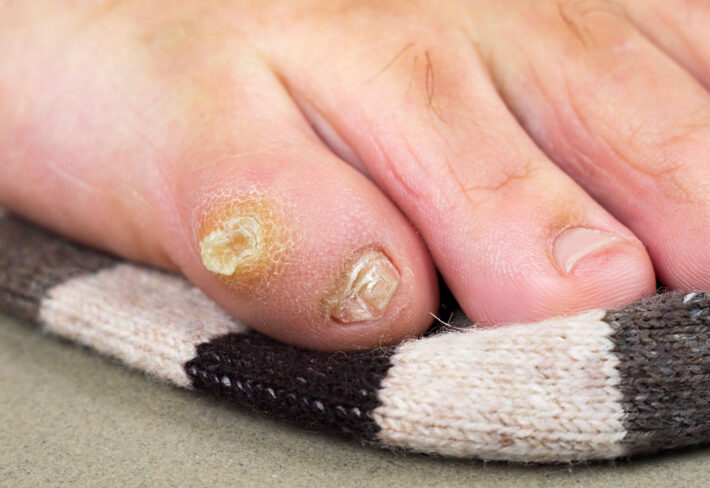
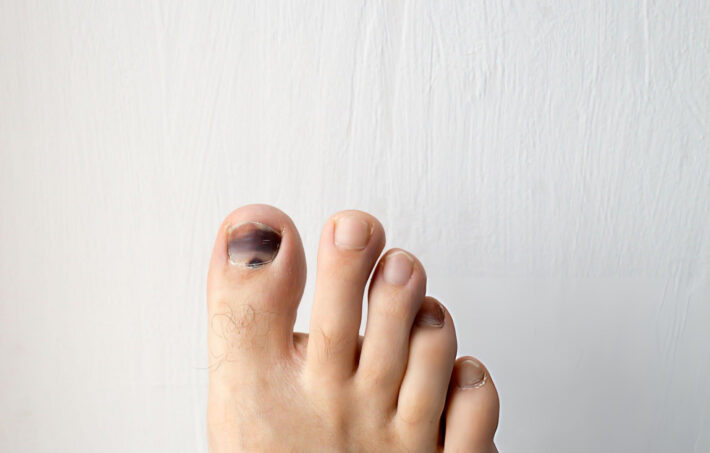
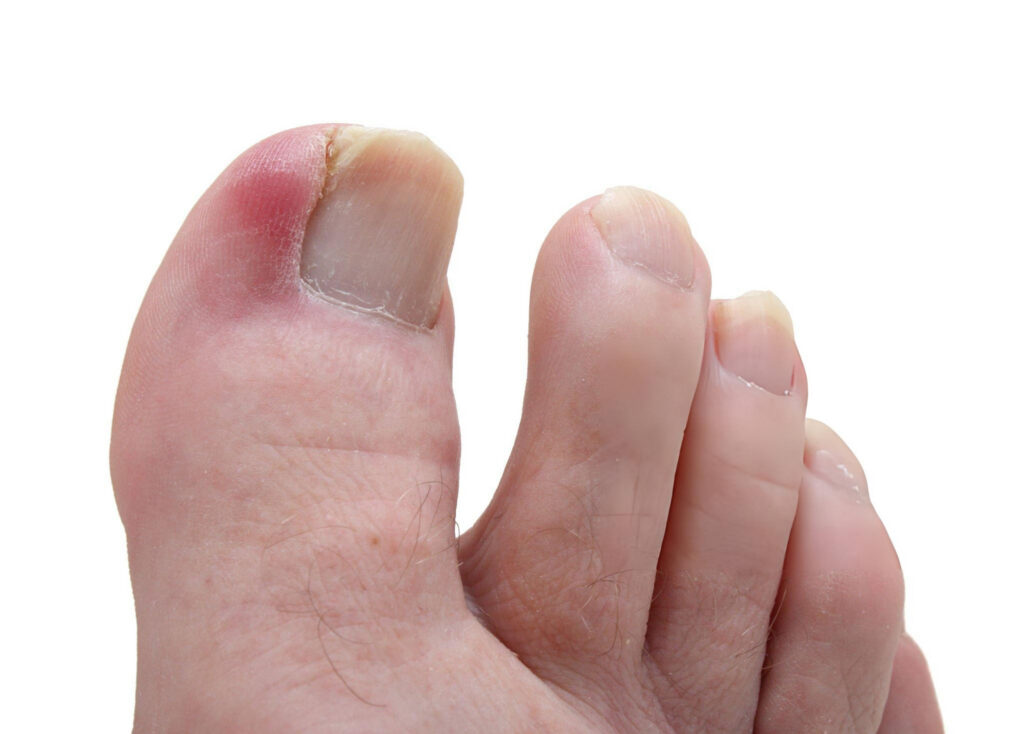
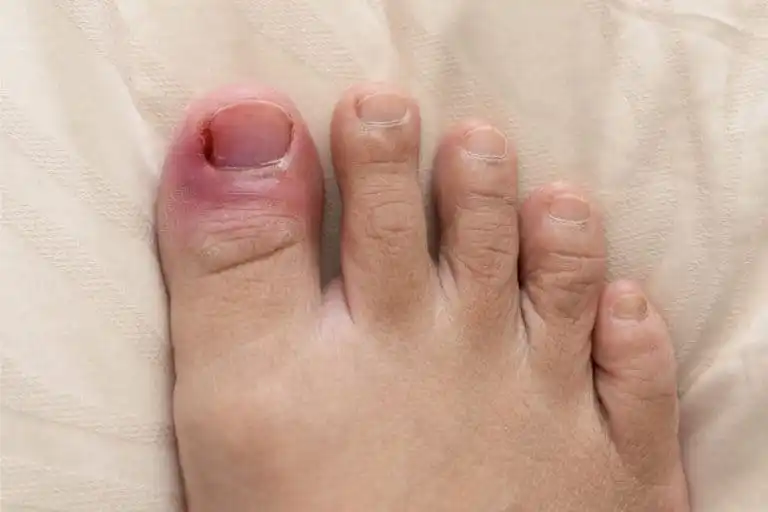
An ingrown toenail happens when the edge or corner of a nail grows into the surrounding skin. This causes discomfort, swelling, often infection. It tends to worsen if untreated—initial mild discomfort can escalate into recurrent pain or infection.
Diagnosis
Ingrown Toenail Treatment
What is it?
An ingrown toenail happens when the edge or corner of a nail grows into the surrounding skin. This causes discomfort, swelling, often infection. It tends to worsen if untreated—initial mild discomfort can escalate into recurrent pain or infection.
Expertise
Expert
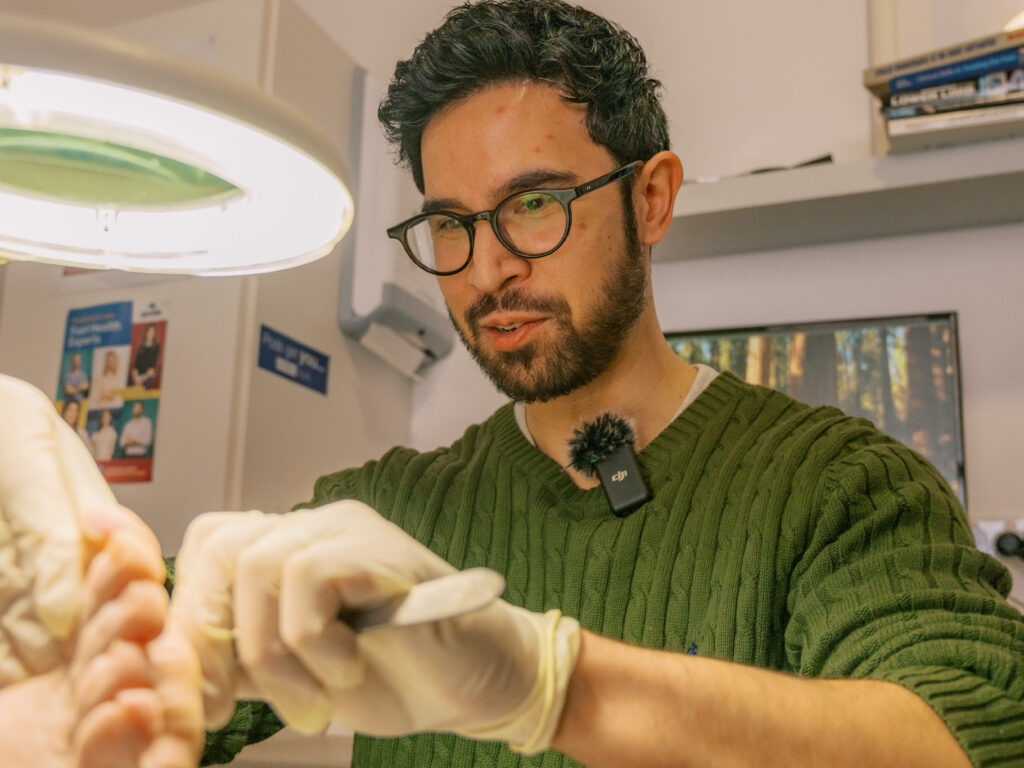
Why you should see a podiatrist
If home treatments don’t help, or if there’s a serious infection (such as new fleshy tissue forming over the nail), or if you have medical conditions like diabetes or poor circulation, it’s important to get professional help. We recommend seeing a podiatrist for a full assessment, including medical history, to decide the best treatment plan.
Treatment
What are your treatment options?
-
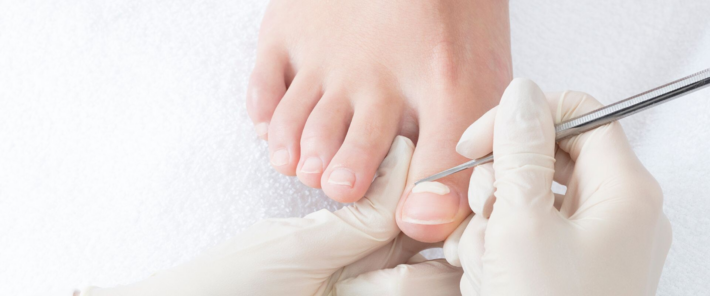
Routine Podiatric Care: Includes professional trimming of nails, cleaning nail folds, addressing underlying issues (like fungal infection). Helps with early-stage ingrown nails before they get worse.
-
Children’s Treatments (Stage 1 & 2): Soaking the foot daily for about 10 minutes, using topical antibiotics, proper toenail trimming, lifting the nail edge with tape or floss, avoiding tight shoes. If there’s granulation tissue (skin overgrowing), silver nitrate may be used. These treatments may take 4–10 weeks to fully resolve.
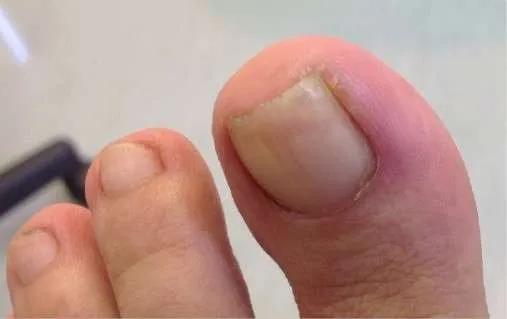
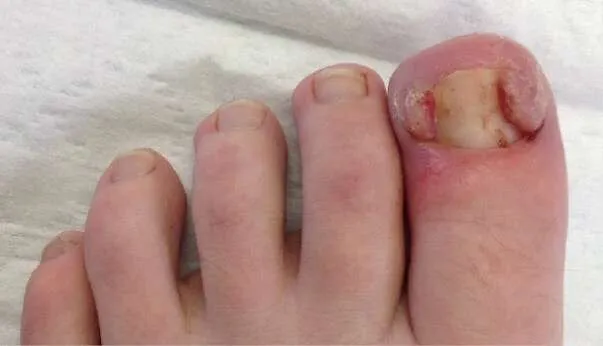
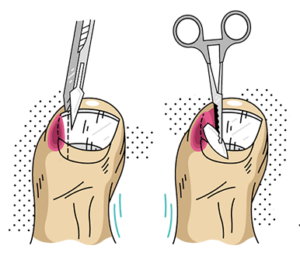
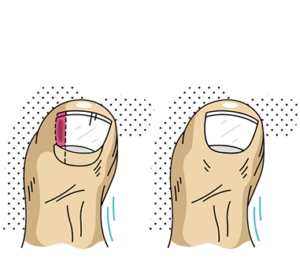
Stage 3 / More Severe Cases: If the condition has progressed, nail avulsion may be needed. This means removing part or all of the nail. It’s done under local anaesthetic and aims to relieve the symptoms more quickly.
Types of Nail Avulsion
• Partial Nail Avulsion (PNA) – removing just the side of the nail that’s ingrown.
• Total Nail Avulsion (TNA) – removing the whole nail plate, used for more severe infection or when damage is widespread.
Will it be painful?
At Ingrown Toenail Doc, patient comfort is our priority, so we make sure treatments are as gentle as possible. For more sensitive or advanced ingrown toenails, a local anaesthetic may be recommended to reduce discomfort. If the nail is too tender to touch or pressure causes significant pain, anaesthetic allows us to properly treat and clean the nail and nail bed. This ensures the procedure is thorough and helps you return to your everyday activities sooner.
Aftercare
After treatment, you’ll get a dressing on the toe. Key care steps include:
Keeping the dressing clean and dry for ~48 hours
After removing it, gently rinsing with saline or saltwater, drying thoroughly
Applying antiseptic ointment and changing to a light, clean dressing daily
For mild pain: over-the-counter pain relief like paracetamol
Recovery Timeline
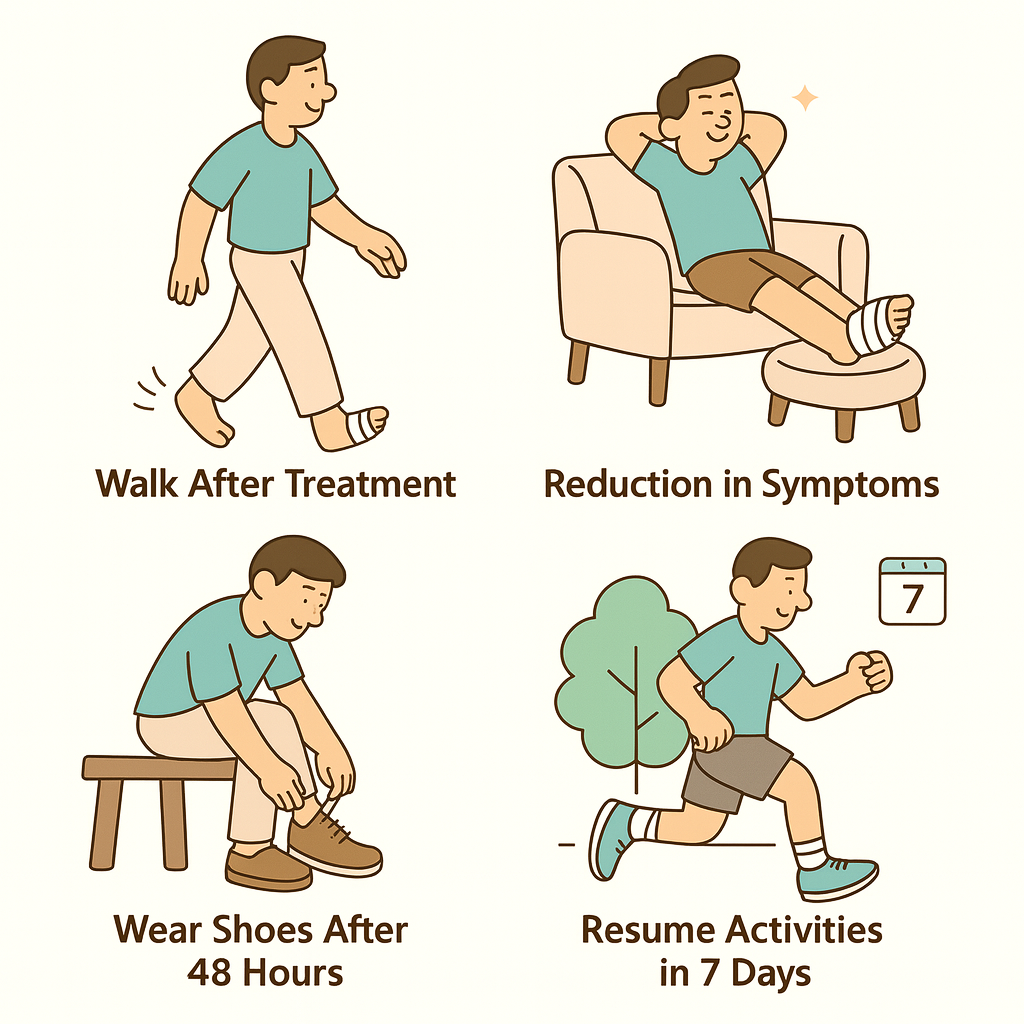
You can expect fairly rapid improvement: ability to walk normally after treatment, wearing shoes after about 48 hours, and resuming usual activities within about a week.
Cost
Routine treatment (nail avulsion without anaesthetic): ~$130
Children’s treatment similar cost for initial visit; ongoing appointments less
Partial Nail Avulsion (with anaesthetic): extra fee
Total Nail Avulsion (whole nail) around $200, including anaesthetic
Health fund rebates may apply
Permanent Fix for Recurring Cases
For toenails that keep getting ingrown, a more definitive surgery may be done: partial nail avulsion with phenolisation. This involves removing part of the nail plus applying phenol to the nail root. The outcome is permanent in ~98% of cases — that portion of the nail doesn’t regrow and re-cause problems.
FAQ / Home Remedies
Over-the-counter options like topical antibiotic creams and soaking/trimming may help mild ingrown toenails
Dental floss can help lift the nail and reduce pressure
Some red-light or photodynamic therapies (e.g. PACT) may help, especially if fungal infections are involved
Natural remedies: soaking with vinegar (e.g. diluted apple cider vinegar), soaking with Epsom salts, avoiding tight footwear
Treatment
Do I need antibiotics?
What if my toe is infected?
Once the ingrown part of the nail and any excess skin are taken away, oral antibiotics are usually not necessary.
However, if there are clear signs of infection—such as redness, swelling, pus, or cellulitis spreading beyond the nail fold—antibiotics may be prescribed. For more serious infections, we recommend seeing your GP for a course of antibiotics before proceeding with ingrown toenail treatment.